Heatwaves and Summer Safety: First Aid for Heat-Related Emergencies
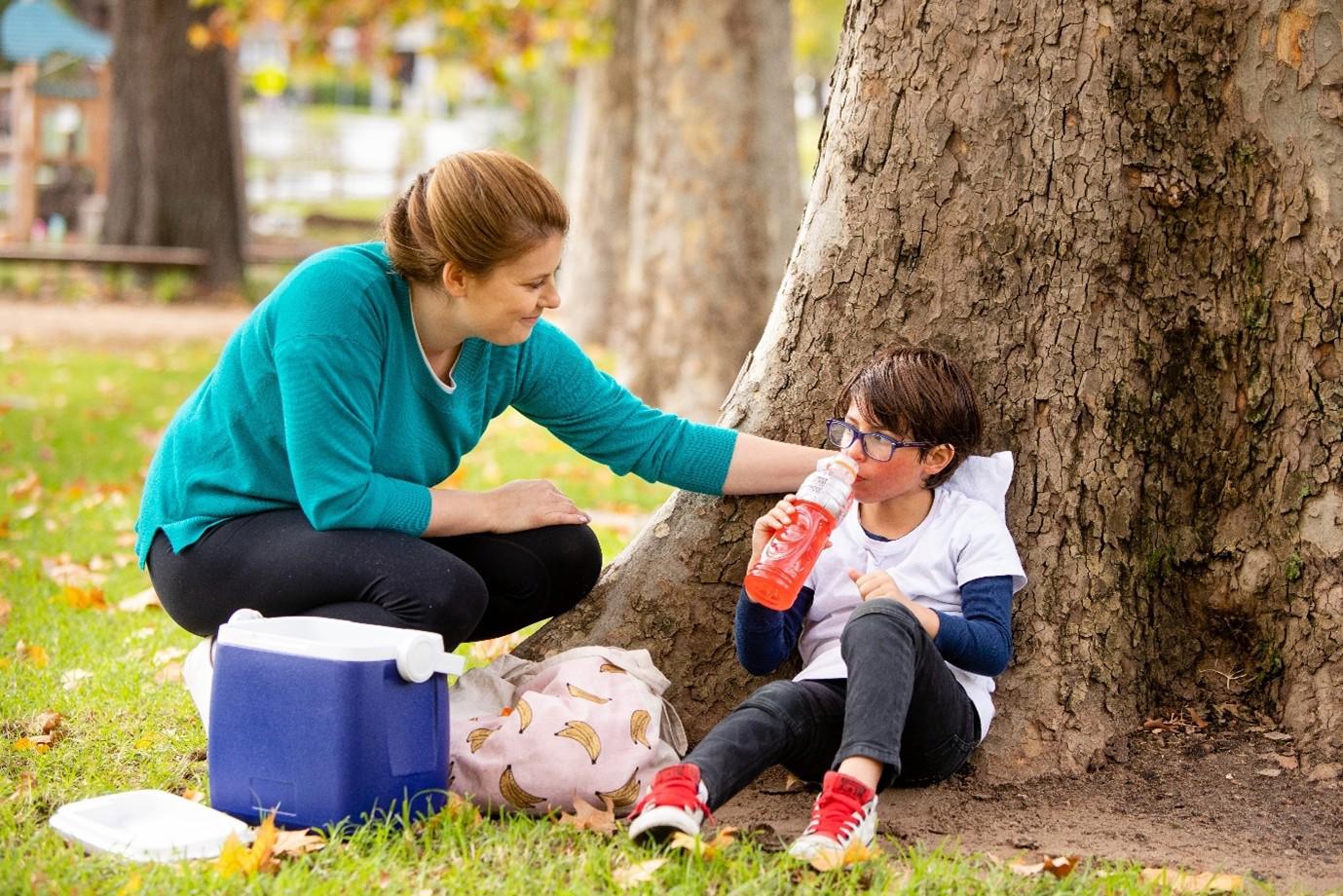
Heatwaves are becoming more frequent and intense across Victoria, particularly during peak summer, with temperatures often exceeding 40 degrees in many parts of the state. These conditions can pose serious health risks as high temperatures put extra stress on the body and can quickly lead to serious illness if people are not prepared.
According to the Australian Institute of Health and Welfare, Australia has seen thousands of hospitalisations linked to extreme heat in the past decade. Between 2012 and 2022, extreme heat was responsible for more than 7,100 hospital admissions for injury across the country, far more than any other type of extreme weather event and accounted for nearly 300 deaths in that period.
This data highlights how important it is to recognise the signs of heat-related illness and take prompt action.
Heat-related illness, formerly known as heat exhaustion and heatstroke, is largely preventable. Knowing the warning signs and how to respond can save lives, especially during extreme heat.
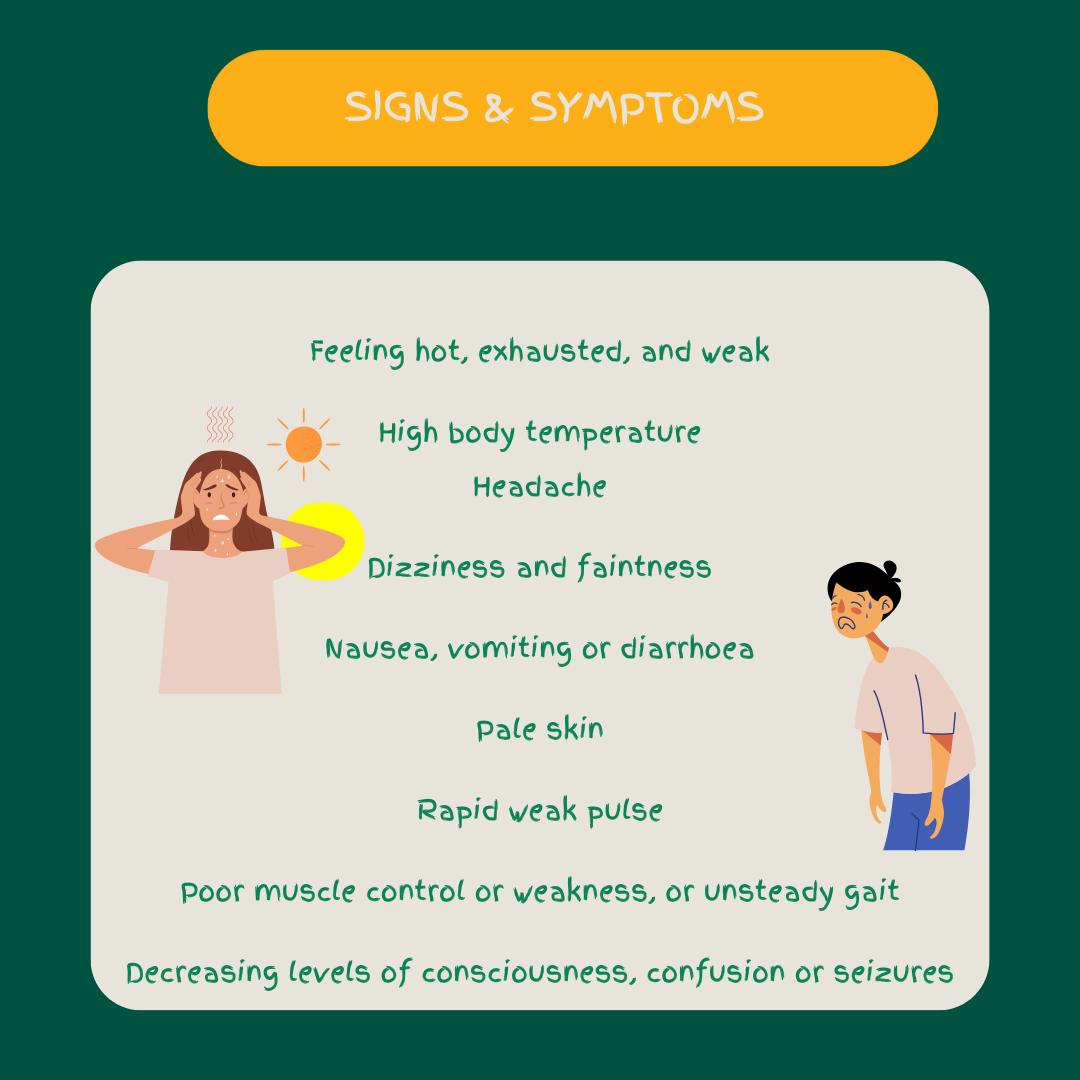
Heat-induced Illness in Hot Weather: Signs, Symptoms and First Aid
Heat-induced illness occurs when the body overheats and is unable to regulate its temperature effectively. It can develop quickly in hot or humid conditions, particularly during physical activity, and should always be treated seriously.
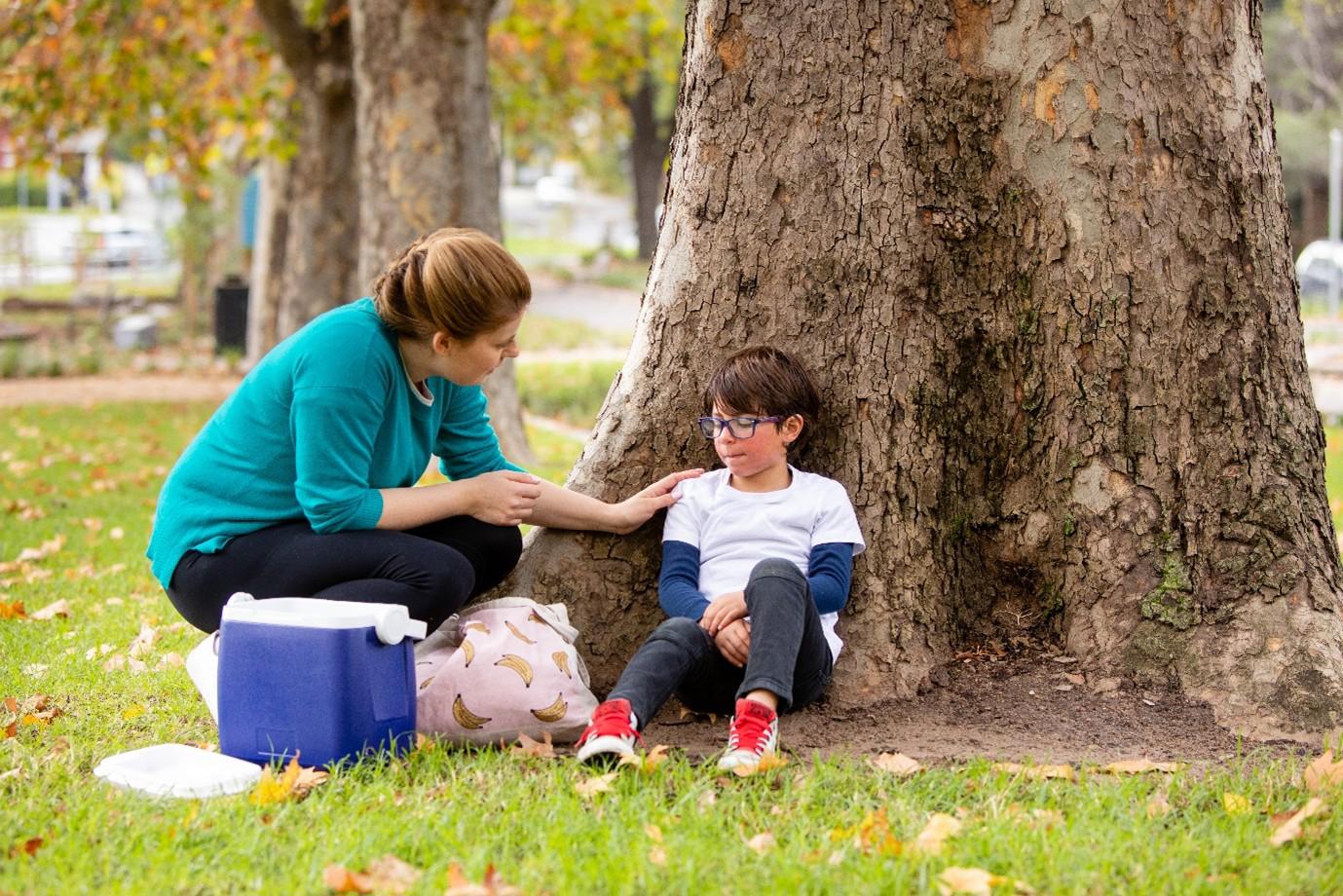
Conditions previously referred to as heat exhaustion and heatstroke are now managed under the single term heat-induced illness, with the same first aid priorities.
What to do: First aid for heat-related illness
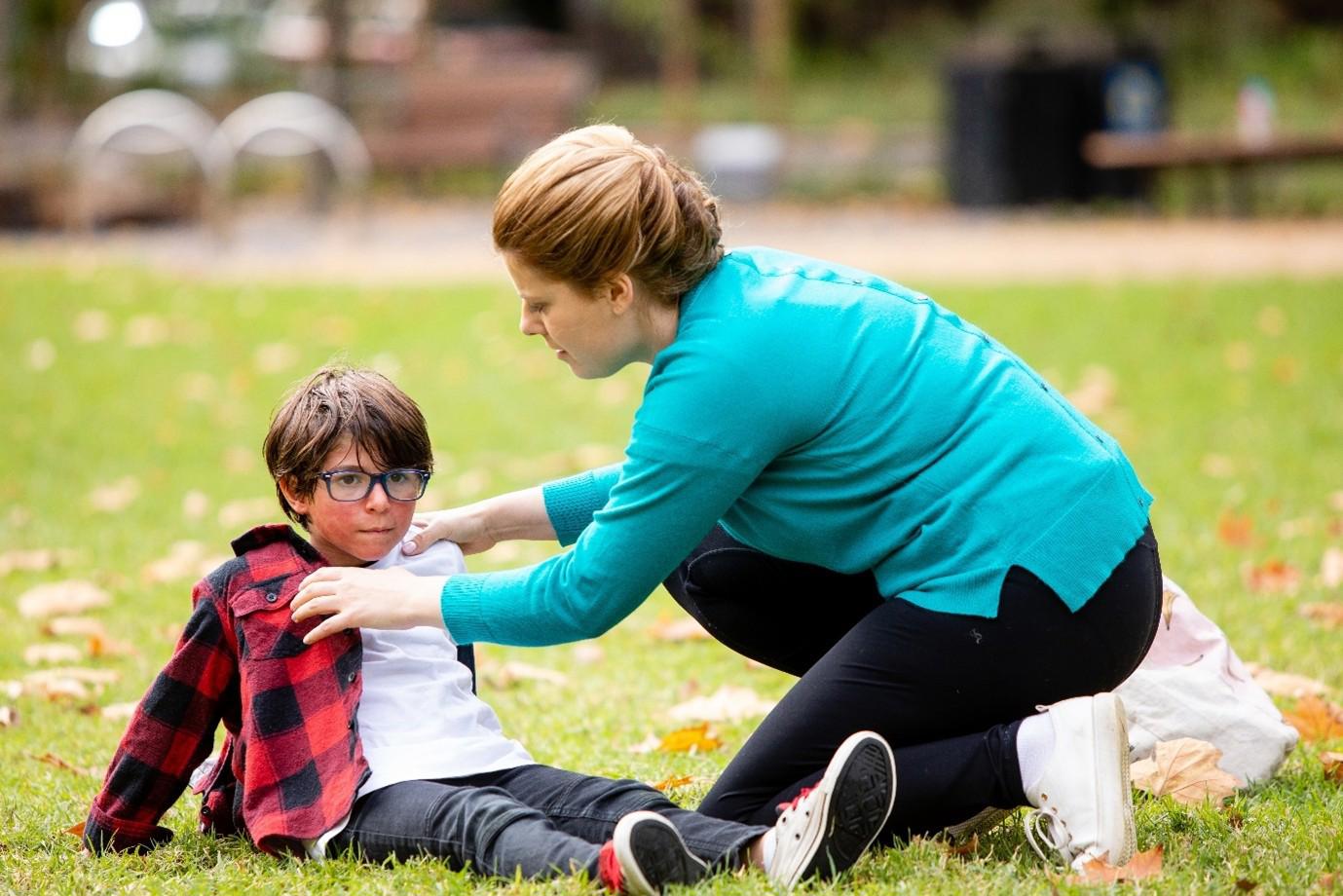
If someone shows signs, they are suffering from the heat =:
- Follow DRSABCD
- Lie them down in a cool, shaded place.
- Strip as much of their clothing as possible
- Cool them quickly by soaking with any available water, using fans, cool packs, or damp cloths on the neck, armpits, and groin.
- If they are conscious, give small sips of cool water.
- If they don’t improve within 10 minutes, call 000 straight away.
Quick action can prevent serious injury or death.
Who is most at risk during a heatwave?
Anyone can be affected by extreme heat, but some people are at higher risk, including:
- Adults over 65 years
- Babies and young children
- Pregnant or breastfeeding mothers
- Overweight or obese people
- People with chronic health conditions such as heart disease, diabetes and kidney disease
Also:
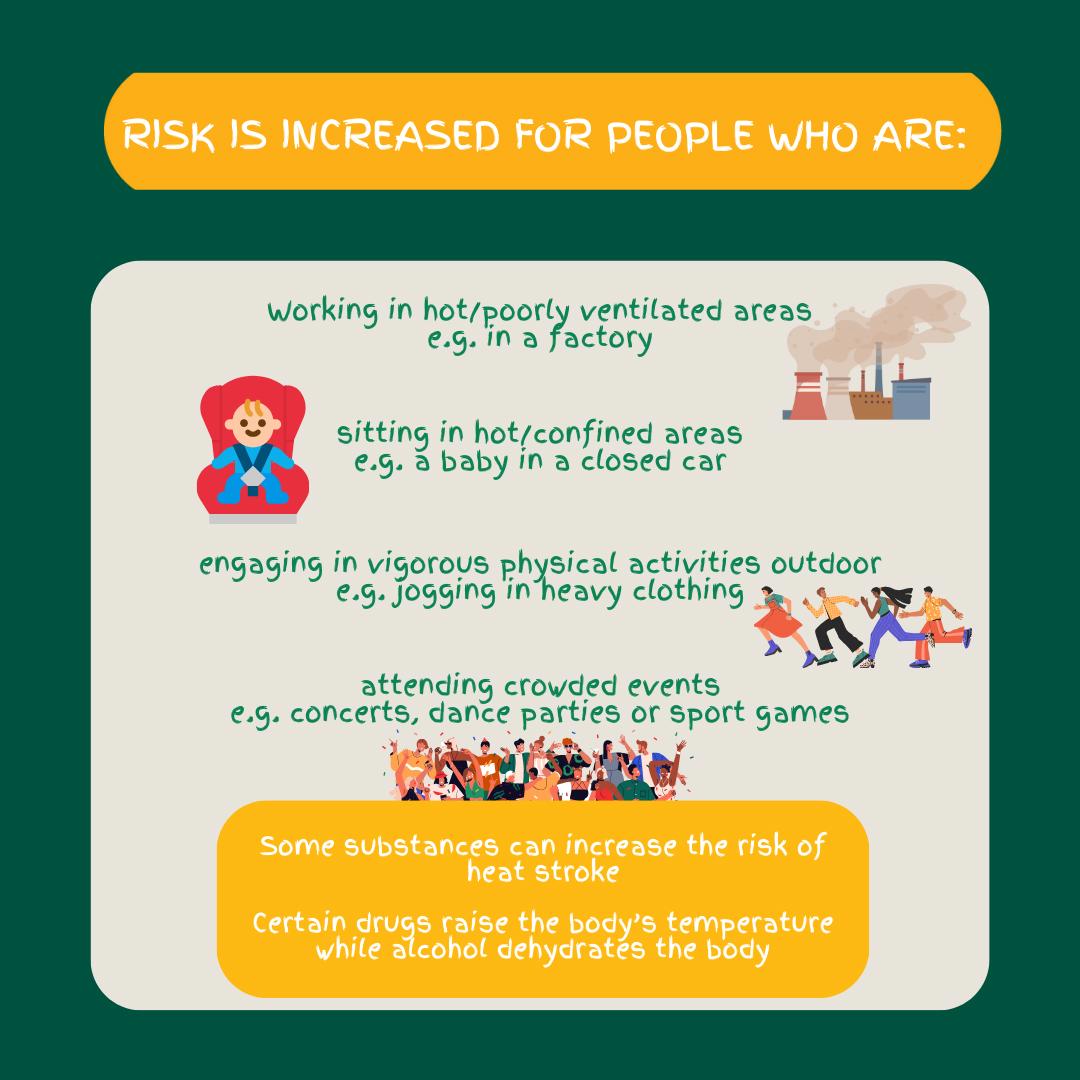
National data shows that almost one in three hospitalisations due to extreme heat involved people aged 65 and over, highlighting how vulnerable older adults can be.
Checking in on family, neighbours, and colleagues during hot weather can make a real difference.
Staying cool and hydrated
Simple steps can help protect you and others during a heatwave:
- Drink water regularly, even if you don’t feel thirsty
- Avoid alcohol and sugary drinks
- Stay indoors during the hottest part of the day
- Wear light, loose-fitting clothing
- Use fans or air conditioning where possible
- Take cool showers or baths
Never leave children or pets in cars, even for a short time.
Planning for outdoor events and activities
Heat safety is especially important at outdoor events, sports days, and festivals. Organisers and participants should:
- Schedule activities for cooler times of the day
- Provide shade and water stations
- Encourage regular rest breaks
- Watch for early signs of heat illness
Being prepared can prevent emergencies before they happen.
Knowledge saves lives
The effects of heat can strike fast, but it’s entirely preventable. Knowing how to recognise the signs and respond could save a life this summer.
Learning first aid gives people the confidence to act when it matters most. As Victoria’s leading first aid provider, St John Ambulance Victoria continues to support communities with training, education, and lifesaving skills to stay safe during extreme weather.

Summer Safety Tips: Protecting Yourself and Loved Ones
As summer sweeps across Victoria, it's essential to be aware of the potential risks that come with the warmer weather.
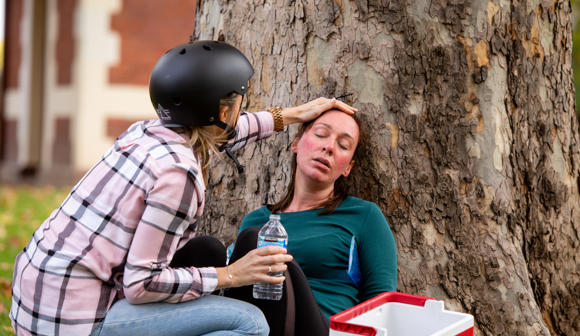
Bitesize eLearning Course: Heat and Cold Induced Illnesses
Exposure to extreme hot or cold temperatures can be deadly without prompt action.

First Aid for Sunburn
The days are getting warmer; the skies are getting bluer and the UV rays from the sun are getting harsher.